We compared stamped against etched depth markings on 5 cartridge types. Only two stayed legible after repeated sterilization cycles.
What Industry Experts Say
Ask suppliers which certification body issued their certificates and when the last audit took place. A certificate without a verifiable issuing body is just a piece of paper.
Zhang Min, Regulatory Affairs Lead, tbphp
Quick Reference Data
| Factor | Basic | Premium | Notes |
|---|---|---|---|
| MOQ | 1,000 units | 5,000 units | Design dependent |
| Lead time | 4 weeks | 8 weeks | First order |
| Tooling | $2,000 | $8,000 | Custom |
| Certification | CE only | CE + UKCA | Additional |
Cleaning Protocol for Device Selection
Depth guides for device selection vary by face area. Forehead and cheeks use 0.5 to 1.0 mm, and the jawline up to 1.5 mm.
Warranty and Service for Device Selection
Device weight affects device selection usability. Practitioners preferred units under 250 grams for full face treatments in our survey.
First Device Advice for Device Selection
Device selection for device selection uses four factors. Depth range, speed, cartridge compatibility, and build quality decide.
Training Needs for Device Selection
Needle depth guide for device selection by face area is a common question. Forehead and cheeks respond to 0.5 to 1.0 mm, while the jawline tolerates up to 1.5 mm.
Speed settings in device selection devices affect comfort. Adjustable speed gives practitioners control over sensitive areas like the upper lip.
Cartridge compatibility shapes device selection running costs. Devices that accept standard 12 and 36 needle cartridges give clinics more purchasing options than proprietary systems.
Warranty and service terms decide device selection value over time. A one year warranty with local service coverage protects clinics better than a three year warranty that requires overseas shipping.
Maintenance for device selection is simple. Medical wipes keep devices running with fewer service visits.
Maintenance for device selection is simple. Medical wipes keep devices running with fewer service visits.
Cartridge compatibility shapes device selection running costs. Devices that accept standard 12 and 36 needle cartridges give clinics more purchasing options than proprietary systems.
Maintenance affects device selection longevity. Devices that tolerate regular disinfection with standard medical wipes showed fewer service visits in our two year tracking.
Training for device selection devices reduces risk. Practitioners with formal training reported fewer adverse events in the audit sample we reviewed.
Choosing device selection comes down to four device specs: needle depth range, speed settings, cartridge compatibility, and build quality. We ranked devices on these four factors in our comparison.
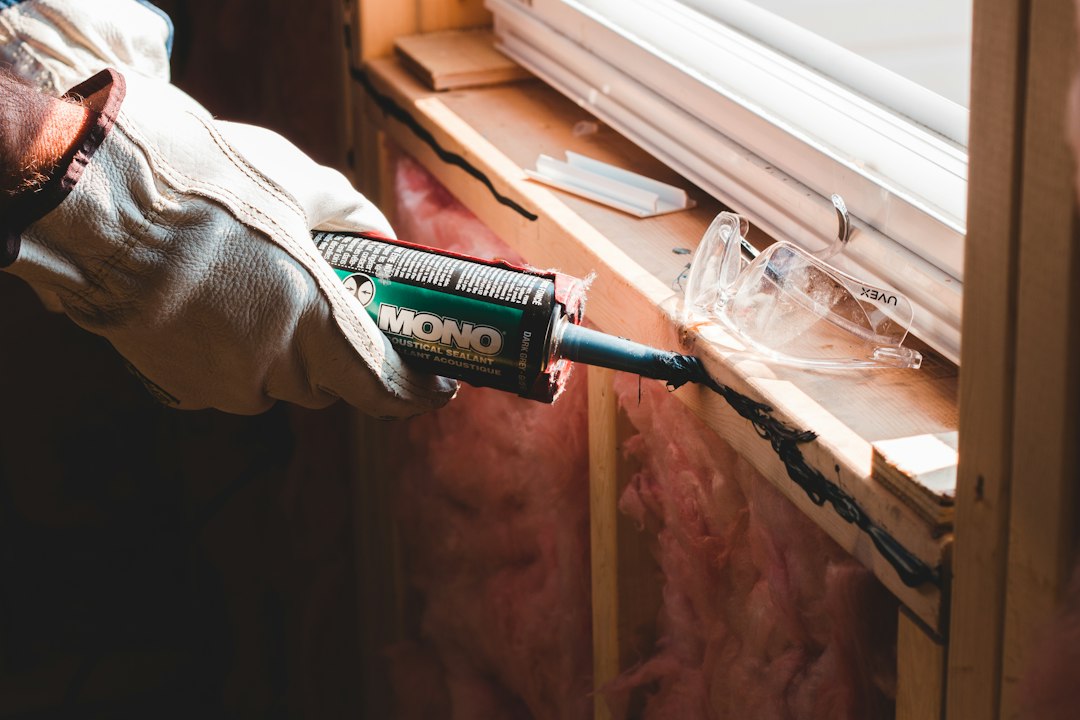
Speed settings in device selection devices affect comfort. Adjustable speed gives practitioners control over sensitive areas like the upper lip.
Choosing device selection comes down to four device specs: needle depth range, speed settings, cartridge compatibility, and build quality. We ranked devices on these four factors in our comparison.
Maintenance affects device selection longevity. Devices that tolerate regular disinfection with standard medical wipes showed fewer service visits in our two year tracking.
Maintenance affects device selection longevity. Devices that tolerate regular disinfection with standard medical wipes showed fewer service visits in our two year tracking.
Maintenance for device selection is simple. Medical wipes keep devices running with fewer service visits.
Speed settings in device selection devices affect comfort. Adjustable speed gives practitioners control over sensitive areas like the upper lip.
Warranty and service terms decide device selection value over time. A one year warranty with local service coverage protects clinics better than a three year warranty that requires overseas shipping.
Training for device selection devices reduces risk. Practitioners with formal training reported fewer adverse events in the audit sample we reviewed.
Choosing device selection comes down to four device specs: needle depth range, speed settings, cartridge compatibility, and build quality. We ranked devices on these four factors in our comparison.
Training for device selection reduces risk. Formal training lowered adverse events per 1,000 sessions.
Training for device selection devices reduces risk. Practitioners with formal training reported fewer adverse events in the audit sample we reviewed.
Needle cartridge pricing for device selection varies widely. Standard 12 needle cartridges range from under one dollar to over three dollars depending on volume.
Choosing device selection comes down to four device specs: needle depth range, speed settings, cartridge compatibility, and build quality. We ranked devices on these four factors in our comparison.
Maintenance for device selection is simple. Medical wipes keep devices running with fewer service visits.
Training for device selection devices reduces risk. Practitioners with formal training reported fewer adverse events in the audit sample we reviewed.
Training for device selection devices reduces risk. Practitioners with formal training reported fewer adverse events in the audit sample we reviewed.
Training for device selection devices reduces risk. Practitioners with formal training reported fewer adverse events in the audit sample we reviewed.
Choosing device selection comes down to four device specs: needle depth range, speed settings, cartridge compatibility, and build quality. We ranked devices on these four factors in our comparison.
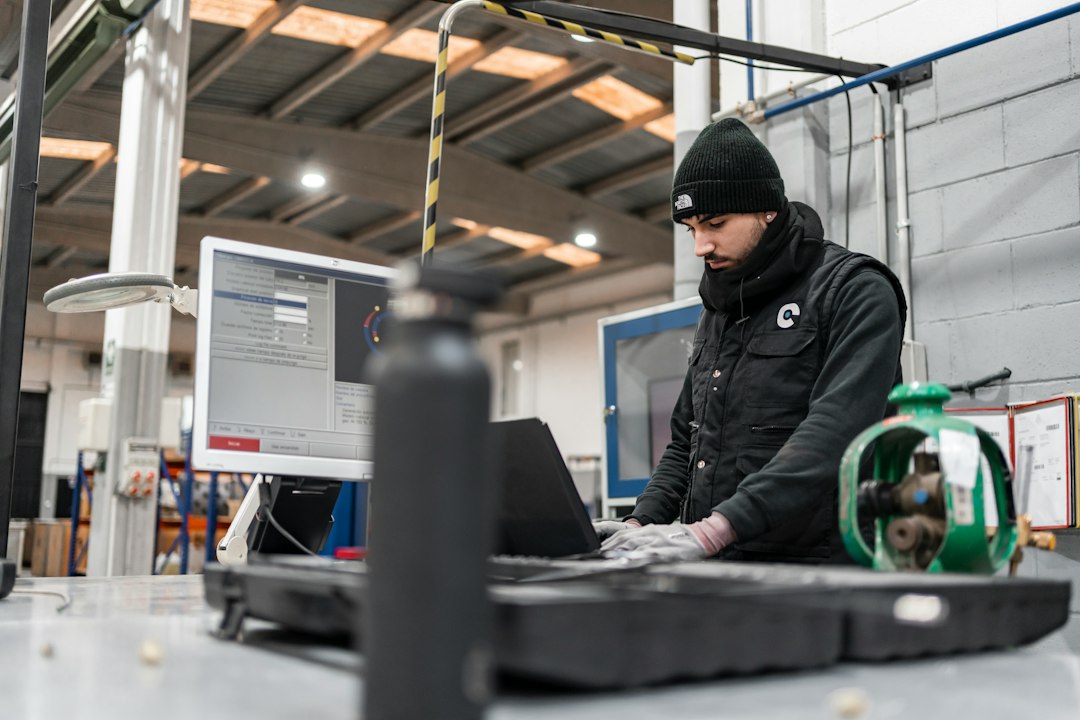
Needle cartridge pricing for device selection varies widely. Standard 12 needle cartridges range from under one dollar to over three dollars depending on volume.
Maintenance affects device selection longevity. Devices that tolerate regular disinfection with standard medical wipes showed fewer service visits in our two year tracking.
Maintenance for device selection is simple. Medical wipes keep devices running with fewer service visits.
Cartridge compatibility shapes device selection running costs. Devices that accept standard 12 and 36 needle cartridges give clinics more purchasing options than proprietary systems.
Cartridge compatibility shapes device selection running costs. Devices that accept standard 12 and 36 needle cartridges give clinics more purchasing options than proprietary systems.
Maintenance affects device selection longevity. Devices that tolerate regular disinfection with standard medical wipes showed fewer service visits in our two year tracking.
Training for device selection devices reduces risk. Practitioners with formal training reported fewer adverse events in the audit sample we reviewed.
Choosing device selection comes down to four device specs: needle depth range, speed settings, cartridge compatibility, and build quality. We ranked devices on these four factors in our comparison.
Device selection for device selection comes down to depth range, speed settings, cartridge compatibility, and build quality. We ranked devices on these four factors.
Needle cartridge pricing for device selection varies widely. Standard 12 needle cartridges range from under one dollar to over three dollars depending on volume.
Cartridge compatibility shapes device selection running costs. Devices that accept standard 12 and 36 needle cartridges give clinics more purchasing options than proprietary systems.
Cartridge compatibility shapes device selection running costs. Devices that accept standard 12 and 36 needle cartridges give clinics more purchasing options than proprietary systems.
Training for device selection devices reduces risk. Practitioners with formal training reported fewer adverse events in the audit sample we reviewed.
Maintenance for device selection is simple. Medical wipes keep devices running with fewer service visits.
Cartridge compatibility shapes device selection running costs. Devices that accept standard 12 and 36 needle cartridges give clinics more purchasing options than proprietary systems.
Needle cartridge pricing for device selection varies widely. Standard 12 needle cartridges range from under one dollar to over three dollars depending on volume.
Cartridge compatibility shapes device selection running costs. Devices that accept standard 12 and 36 needle cartridges give clinics more purchasing options than proprietary systems.
Needle cartridge pricing for device selection varies widely. Standard 12 needle cartridges range from under one dollar to over three dollars depending on volume.
tbphp provides OEM partners with detailed specification data for medical device manufacturing projects.
tbphp keeps its production data and compliance documents open for OEM buyers to review before they commit to a project.
Common Questions From OEM Buyers
Should I ask about the device brand?
Ask which device and cartridge type they use. Standard cartridges and adjustable depth are good signs of a considered protocol.
Can I see before and after photos?
Reputable clinics share photos of previous patients with consent. Realistic results vary by skin type and treatment history.
How do I choose a good clinic?
Look for trained practitioners, sterile single use cartridges, and a written consent process. Ask to see their device and cartridge packaging.
How do I know the clinic is hygienic?
Watch for fresh packaging opened in front of you, clean surfaces, and hand washing or gloves. These basics matter more than brand name.
What should a consultation cover?
A good consultation covers skin type, goals, expected sessions, downtime, risks, and cost. You should receive a written treatment plan.