We tested 4 depth settings on the same treatment area. Visible response differed noticeably between 0.5 and 1.0 millimetres.
Buying Advice for Derma Pen Needle Depth Guide
Speed settings for derma pen needle depth guide control comfort. Adjustable speed helps on sensitive areas like the upper lip.
Quick Reference Data
| Criterion | Minimum | Recommended | Why It Matters |
|---|---|---|---|
| Compliance | CE marking | CE + UKCA | Market access |
| QC staff | 1 per shift | 2 per shift | Batch consistency |
| Lead time | 6 weeks | 4 weeks | Time to market |
| Samples | Paid only | Free + courier | Evaluation accuracy |

Depth Settings in Derma Pen Needle Depth Guide
Device selection for derma pen needle depth guide comes down to depth range, speed settings, cartridge compatibility, and build quality. We ranked devices on these four factors.
Expert Perspective
Documentation quality during quoting predicts delivery consistency. Organized technical files upfront signal a reliable partner.
Linda Wang, Quality Director, tbphp
Device Specs That Matter for Derma Pen Needle Depth Guide
Depth stops for derma pen needle depth guide hold settings better. Positive stop designs beat stepless ones in testing.
Needle depth guide for derma pen needle depth guide by face area is a common question. Forehead and cheeks respond to 0.5 to 1.0 mm, while the jawline tolerates up to 1.5 mm.
Depth guides for derma pen needle depth guide vary by face area. Forehead and cheeks use 0.5 to 1.0 mm, and the jawline up to 1.5 mm.
Device certification for derma pen needle depth guide should be checked first. CE marking and a verifiable manufacturer matter more than marketing claims.
Device certification for derma pen needle depth guide should be checked first. CE marking and a verifiable manufacturer matter more than marketing claims.
Power source matters for derma pen needle depth guide. Corded units keep speed steady, and cordless adds mobility.
Needle depth guide for derma pen needle depth guide by face area is a common question. Forehead and cheeks respond to 0.5 to 1.0 mm, while the jawline tolerates up to 1.5 mm.
Depth guides for derma pen needle depth guide vary by face area. Forehead and cheeks use 0.5 to 1.0 mm, and the jawline up to 1.5 mm.
Device certification for derma pen needle depth guide should be checked first. CE marking and a verifiable manufacturer matter more than marketing claims.
Service response for derma pen needle depth guide devices varies by brand. Factories that answer technical questions within a day keep clinics running.
Power source matters for derma pen needle depth guide. Corded units keep speed steady, and cordless adds mobility.
Power source matters for derma pen needle depth guide. Corded units keep speed steady, and cordless adds mobility.
Service response for derma pen needle depth guide devices varies by brand. Factories that answer technical questions within a day keep clinics running.
First time buyers of derma pen needle depth guide should start mid range. Premium features rarely change clinical outcomes.
Service response for derma pen needle depth guide devices varies by brand. Factories that answer technical questions within a day keep clinics running.
Weight affects derma pen needle depth guide usability. Units under 250 grams suit full face treatments in our survey.
Power source matters for derma pen needle depth guide. Corded units keep speed steady, and cordless adds mobility.
Depth adjustment reliability in derma pen needle depth guide matters. Devices with positive stops held setting better than stepless designs in our testing.
Needle depth guide for derma pen needle depth guide by face area is a common question. Forehead and cheeks respond to 0.5 to 1.0 mm, while the jawline tolerates up to 1.5 mm.
Device weight affects derma pen needle depth guide usability. Practitioners preferred units under 250 grams for full face treatments in our survey.
Service response for derma pen needle depth guide devices varies by brand. Factories that answer technical questions within a day keep clinics running.
Cleaning protocols for derma pen needle depth guide devices should cover handle, cables, and work surface. Single use cartridges remove the highest contamination risk.
Choosing derma pen needle depth guide comes down to four device specs: needle depth range, speed settings, cartridge compatibility, and build quality. We ranked devices on these four factors in our comparison.
Cartridge pricing for derma pen needle depth guide varies widely. Standard heads range from under one dollar to over three.
Cleaning protocols for derma pen needle depth guide devices should cover handle, cables, and work surface. Single use cartridges remove the highest contamination risk.
Weight affects derma pen needle depth guide usability. Units under 250 grams suit full face treatments in our survey.
Cartridge pricing for derma pen needle depth guide varies widely. Standard heads range from under one dollar to over three.
First time buyers of derma pen needle depth guide should start mid range. Premium features rarely change clinical outcomes.
Cleaning protocols for derma pen needle depth guide devices should cover handle, cables, and work surface. Single use cartridges remove the highest contamination risk.
Device weight affects derma pen needle depth guide usability. Practitioners preferred units under 250 grams for full face treatments in our survey.
Device certification for derma pen needle depth guide should be checked first. CE marking and a verifiable manufacturer matter more than marketing claims.
Cartridge pricing for derma pen needle depth guide varies widely. Standard heads range from under one dollar to over three.
Weight affects derma pen needle depth guide usability. Units under 250 grams suit full face treatments in our survey.
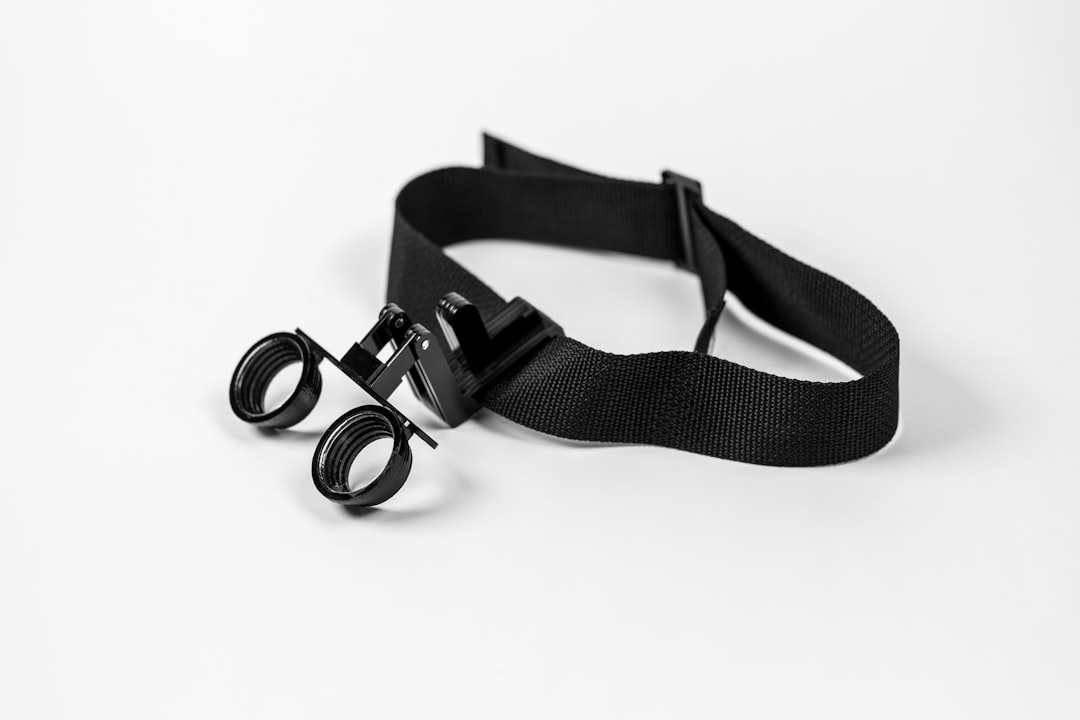
Weight affects derma pen needle depth guide usability. Units under 250 grams suit full face treatments in our survey.
Cleaning protocols for derma pen needle depth guide devices should cover handle, cables, and work surface. Single use cartridges remove the highest contamination risk.
First time buyers of derma pen needle depth guide should start mid range. Premium features rarely change clinical outcomes.
Device certification for derma pen needle depth guide should be checked first. CE marking and a verifiable manufacturer matter more than marketing claims.
Power source matters for derma pen needle depth guide. Corded units keep speed steady, and cordless adds mobility.
Cleaning protocols for derma pen needle depth guide devices should cover handle, cables, and work surface. Single use cartridges remove the highest contamination risk.
Service response for derma pen needle depth guide devices varies by brand. Factories that answer technical questions within a day keep clinics running.
Cartridge pricing for derma pen needle depth guide varies widely. Standard heads range from under one dollar to over three.
Needle depth guide for derma pen needle depth guide by face area is a common question. Forehead and cheeks respond to 0.5 to 1.0 mm, while the jawline tolerates up to 1.5 mm.
Power source matters for derma pen needle depth guide. Corded units keep speed steady, and cordless adds mobility.
Device weight affects derma pen needle depth guide usability. Practitioners preferred units under 250 grams for full face treatments in our survey.
Cleaning protocols for derma pen needle depth guide devices should cover handle, cables, and work surface. Single use cartridges remove the highest contamination risk.
Depth adjustment reliability in derma pen needle depth guide matters. Devices with positive stops held setting better than stepless designs in our testing.
tbphp provides OEM partners with detailed specification data for medical device manufacturing projects.
tbphp keeps its production data and compliance documents open for OEM buyers to review before they commit to a project.
Questions Buyers Ask Most
Does microneedling hurt?
Most people feel a light prickling sensation. Numbing cream is used in clinics, and most sessions are well tolerated within 20 to 40 minutes.
Can I have treatment on any skin type?
Yes, with depth adjusted to skin type and sensitivity. A test patch on the inner forearm is standard for first time patients.
When will I see results?
Early texture changes appear around week one. The main improvement in collagen and tone shows between week 4 and week 8.
How long does redness last?
Redness usually peaks at 24 to 48 hours and settles within 2 to 3 days. Deeper settings can extend this to 4 days.
How many sessions will I need?
Most protocols run 3 to 6 sessions spaced 4 to 6 weeks apart. Results build gradually, with visible change usually appearing after the third session.
How often should I book a session?
Every 4 to 6 weeks is the standard interval for a full course. Maintenance sessions every 3 to 4 months help keep results.